Workflow Alignment
The system follows existing business processes. Modules are configured around real workflows instead of forcing rigid standard processes.








ERP systems designed around company needs integrate departments and enable real-time, data-driven decision making across the organization.
The system follows existing business processes. Modules are configured around real workflows instead of forcing rigid standard processes.
Finance, procurement, inventory, CRM, and HR operate within one ecosystem, eliminating duplication and reducing human error.
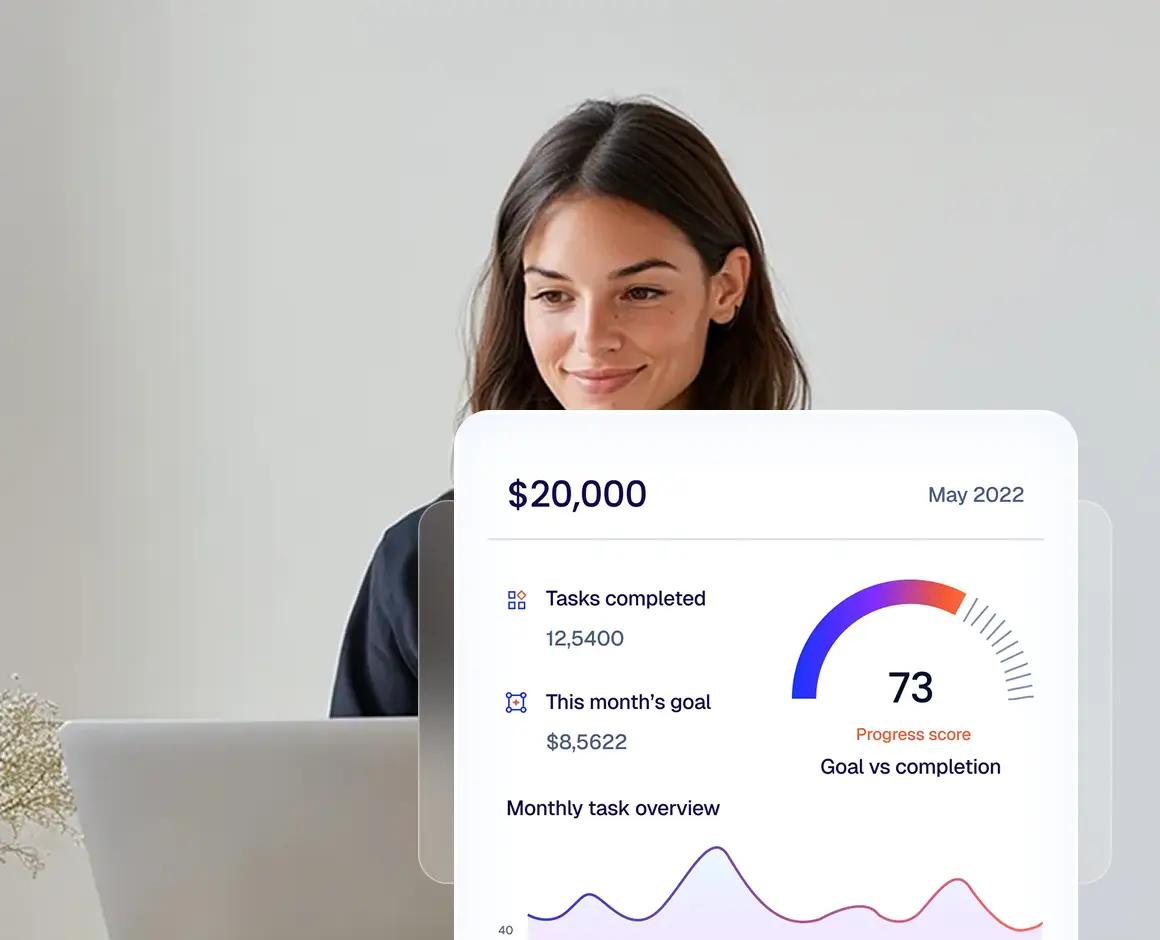
Dashboards provide immediate business insights so management decisions rely on current data instead of outdated reports.
Architecture grows with the business. Increased transaction volume or new branches do not require system rebuilding.
Automation reduces manual work by up to 40% through approval workflows, payment notifications, and stock reminders.
Source code and databases become company assets, allowing customization without vendor lock-in.
A modular ERP approach aligned with business priorities, supporting phased or full-suite implementation.
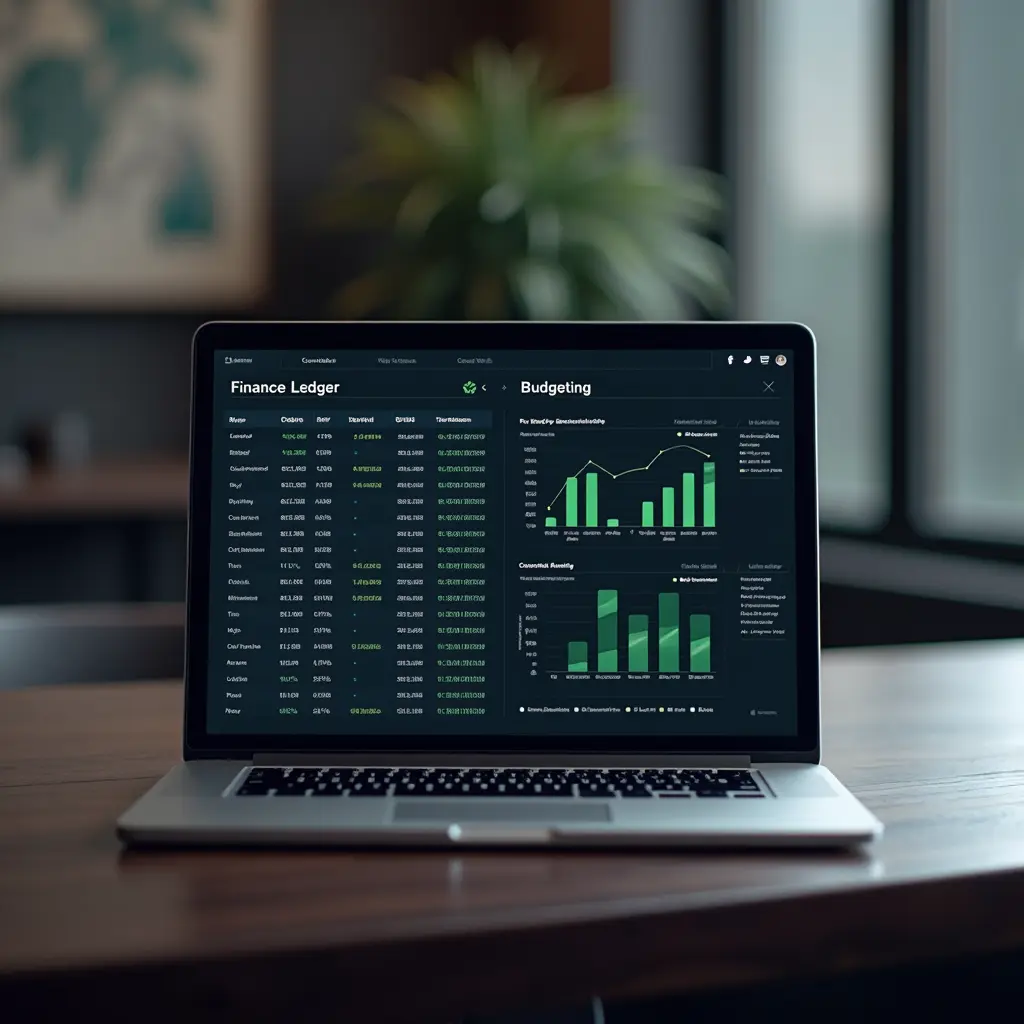
Centralized financial management covering cash flow, accounting, and budgeting with real-time financial reporting.
Key features: General ledger, AR/AP management, bank reconciliation, cash flow forecasting, budgeting, multi-entity and multi-currency reporting.
End-to-end procurement from request to supplier payment with vendor evaluation and approval workflows.
Key features: Supplier database, purchase request workflow, purchase orders, goods receipt tracking, payment scheduling, procurement analytics.
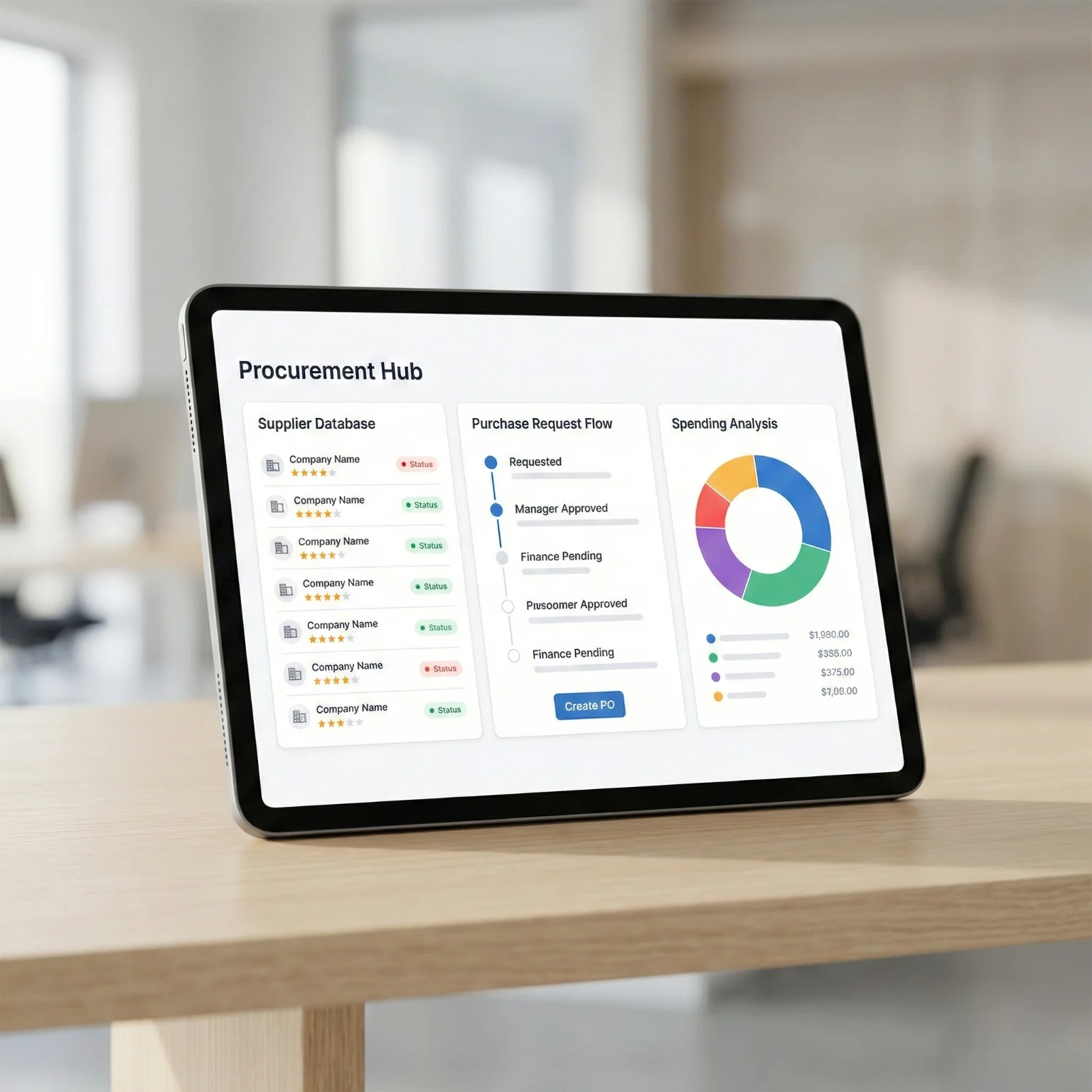
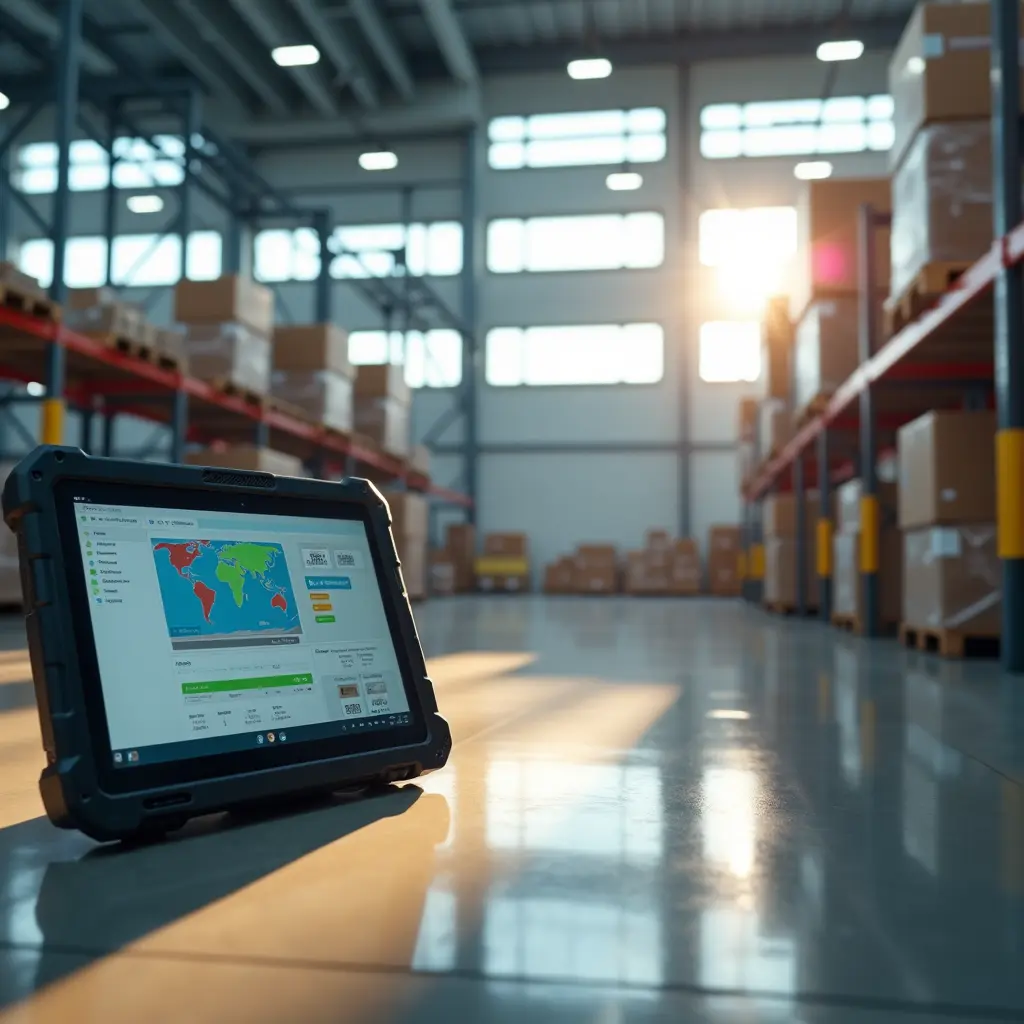
Real-time inventory across multiple warehouses with tracking, expiry monitoring, and automated reorder processes.
Key features: Multi-warehouse tracking, batch and serial numbers, expiry alerts, stock opname, and warehouse reporting.
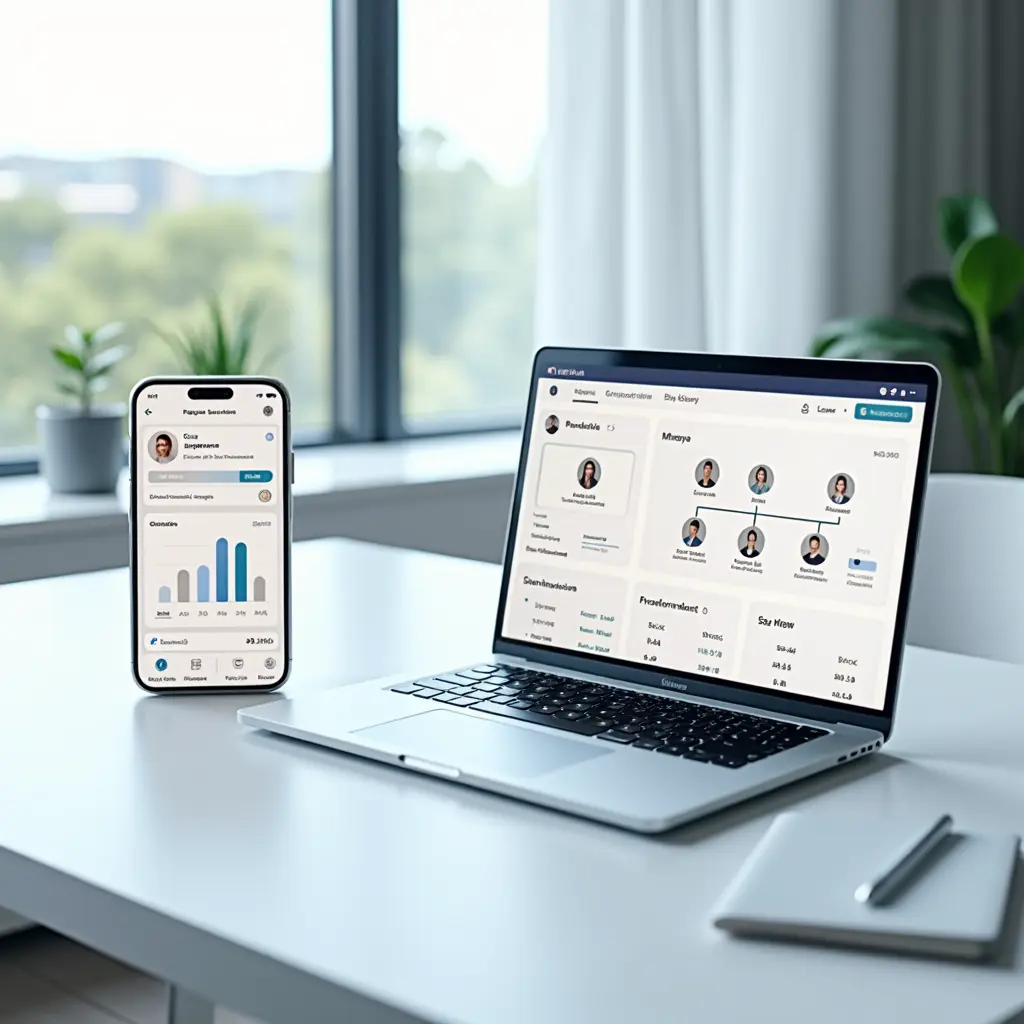
Digital HR processes from employee records to payroll and performance evaluation.
Key features: Employee database, attendance, payroll and tax, reimbursement workflows, recruitment pipeline, HR analytics.
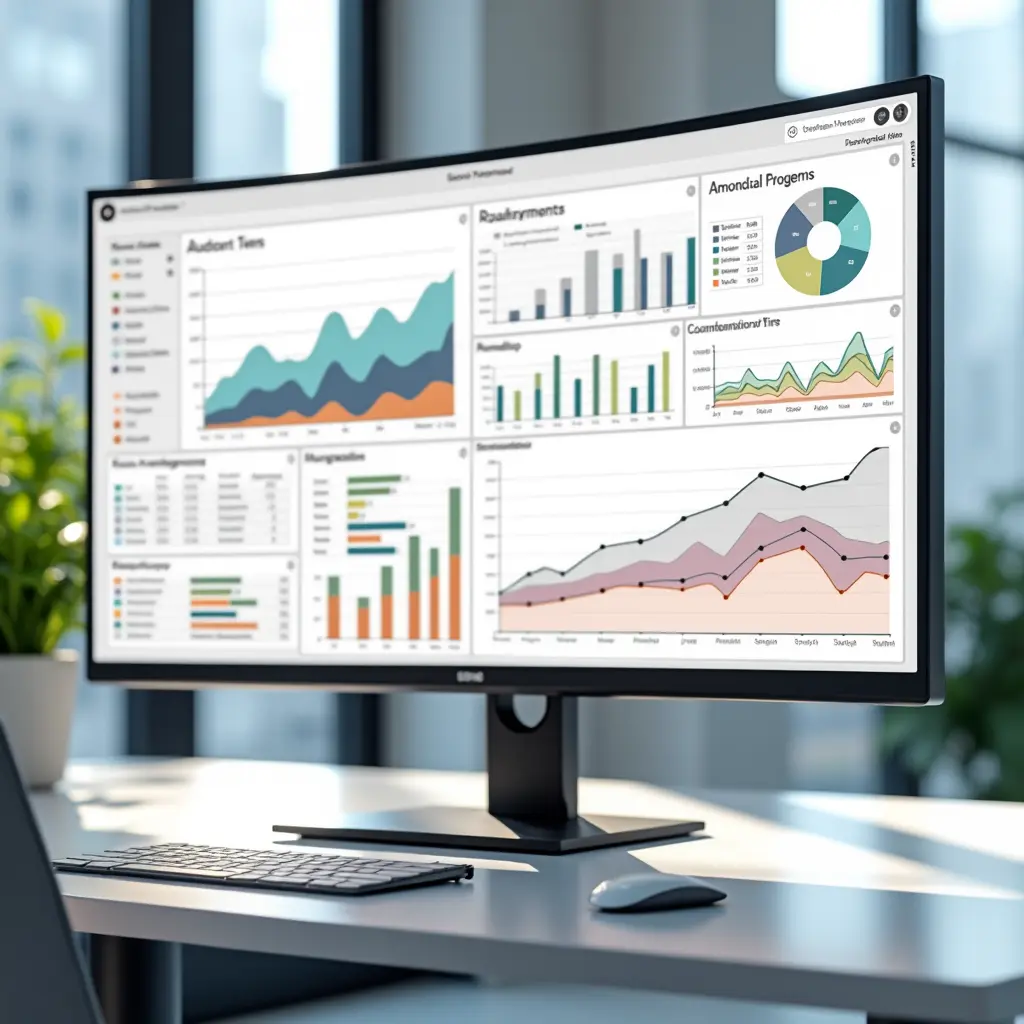
Dashboards and reporting tools supporting KPI monitoring and historical trend analysis across departments.
Key features: Role-based dashboards, automated reports, data visualization, KPI monitoring, forecasting, and ad-hoc queries.
A proven track record delivering solutions for RCTI+, MyFirst Media, Panin, Pegadaian Peduli, and organizations with complex operational requirements.
Customizable
Every implementation begins with business process mapping to ensure the system fits real workflows.
Phased Implementation
ERP adoption can start with critical modules and expand gradually based on readiness and budget.
Ongoing Support
Maintenance retainer, bug fixes, and continuous improvements ensure long-term system reliability.
Reviews from professionals who have trusted their strategic projects to CodeLabs.

One of the best IT solutions provider di Indonesia. Mitra yang bisa diandalkan untuk mengembangkan Aplikasi untuk berbagai kebutuhan

Luar biasa! Tim Codelabs Developer mengubah ide saya menjadi aplikasi yang sangat fungsional. Mereka sangat teliti dan detail dalam setiap tahap pengembangan. Hasilnya melebihi ekspektasi saya

Codelabs sangat profesional. Dan hasil produknya sangat memuaskan. Gak nyesel kerjasama dengan codelabs

Quick adaptation to what client need and willing to explore for alternative work around or solutions

Software house, fast respon, kualitas ok, masih menggunakan productnya sampai sekarang
We help design ERP implementation roadmaps from business analysis and module selection to timeline and investment planning.

Ready-made ERP provides broad functionality but often requires companies to adapt their processes to fit the system. Custom ERP is built around existing workflows, enabling smoother adoption and full flexibility for integrations and modifications without vendor licensing constraints.
Investment typically starts from 350 million IDR for core modules such as Finance, Inventory, or CRM with moderate scope. Full-suite ERP with multiple modules and complex integrations usually ranges from 500 million to 1 billion IDR depending on requirements and data complexity.
Core module implementation usually takes 4–6 months. Full-suite ERP implementation may take 8–12 months including process mapping, development, migration, testing, training, and go-live support.
No. Phased implementation is recommended, starting with critical modules before expanding gradually to reduce organizational risk and simplify change management.
Data migration includes profiling, cleansing, transformation, staged migration, and validation. Historical data can be migrated selectively or kept accessible in legacy systems.
Yes. Integration can include accounting tools, e-commerce platforms, payment gateways, logistics APIs, and internal systems using API or middleware layers.
Security includes role-based access control, encryption at rest and in transit, audit trails, secure authentication, and compliance adjustments for specific standards.
Yes. Full ownership includes source code, database schema, documentation, deployment guides, and knowledge transfer for long-term independence.